







 ₹https://stores.glenindia.com/locator/-in-panvel/-in-takka/glen-kitchen-appliances-vighnesh-creations-in-takka-panvel--29gllv/articles/fix-gas-stove-flame-problems-in-panvel-troubleshooting-guide-for-kitchens-in-takka--164c28ec-242a-4293-bbad-8d55972b7820
Glen Kitchen Appliances - Vighnesh Creations, Takka, panvel
No 17, National Paradise, Nearby Domino's Pizza, Takka, panvel, maharashtra - 410206
Glen Kitchen Appliances - Vighnesh Creations Social Feeds in Takka, panvel
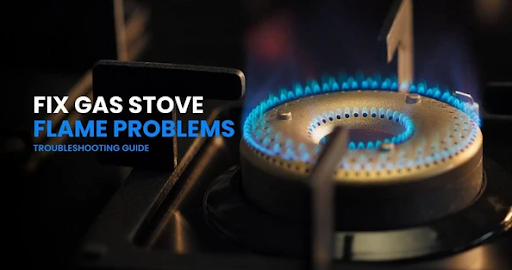
Fix Gas Stove Flame Problems in panvel: Troubleshooting Guide for Kitchens in Takka
Gas stove flame problems can disrupt cooking and raise safety concerns. Whether you are dealing with weak flames, unusual colours, or uneven burning, most issues stem from simple maintenance problems that you can resolve yourself. Understanding the root causes of common gas stove flame problems helps you fix issues quickly and maintain efficient cooking in your kitchen in Takka.
Normal Gas Stove Flames
A properly functioning gas stove produces steady blue flames with minimal yellow tips. Blue flames indicate complete combustion and optimal efficiency. The flame should be uniform in height and burn quietly without sputtering.
Yellow or orange flames signal incomplete combustion, which reduces cooking efficiency and may produce carbon monoxide.
Common Gas Stove Flame Problems and Solutions
Weak or Low Flame
Weak flames make cooking slow and inefficient. Gas flow restriction or blocked burner components typically cause this problem.
Main Causes:
Clogged burner ports from food spills and grease
Low gas pressure from faulty regulators or empty cylinders
Blocked gas jets or orifices
Solutions:
Turn off the gas supply and allow the burner to cool. Remove burner caps and grates. Soak burner heads in warm soapy water for 15 to 20 minutes with baking soda to break down grease.
Use a soft-bristled toothbrush to scrub burner ports thoroughly. For stubborn blockages, use a thin wire to carefully clear each port.
Check your LPG cylinder gauge and replace it if low. Inspect the gas regulator for damage. Contact a certified technician for regulator replacement.
Yellow or Orange Flames
Yellow or orange flames indicate an improper air-to-gas mixture, leading to incomplete combustion and sooty residue on cookware.
Main Causes:
Insufficient air mixing with the gas
Dirty or misaligned burner caps
Blocked air intake shutters
Incorrect air shutter adjustment
Solutions:
Clean the burner caps and heads thoroughly. Check the burner cap alignment and reposition it correctly on the burner base. An improperly seated cap disrupts gas flow patterns.
Locate the air shutter beneath your burner. Adjust it gradually while observing the flame colour. Open the shutter slowly until the flame turns blue. For LPG gas, keep it half open. For natural gas, adjust it to one-quarter open.
Learn more about glass top vs stainless steel gas stove options for maintenance guidance.
Uneven Flames
When one side of the burner produces a high flame while the other barely flickers, burner positioning or blockage causes the issue.
Main Causes:
Misaligned burner cap
Partially blocked burner ports on one side
Uneven debris buildup around the burner ring
Solutions:
Remove the burner cap and examine its position. The cap must sit centred and level. Clean the burner ports systematically around the entire ring. Use a wire brush or needle to clear each opening. Wipe away any moisture and allow the burner to dry completely before reassembling.
Burner Won't Ignite
Ignition problems prevent your gas stove from lighting even when the gas flows properly.
Main Causes:
Dirty or wet igniter electrode
Food debris blocking the igniter spark gap
Moisture from cleaning or spills
Faulty ignition switch
Solutions:
Disconnect the gas stove from electrical power. Remove the burner cap and grate to access the igniter. Use a dry cloth to clean the igniter electrode thoroughly. Clear any food particles or debris from around the igniter using a soft brush.
Allow all components to dry completely before reconnecting power and testing. If the igniter still fails after cleaning, it needs professional replacement. Check flame failure device safety features for additional safety guidance.
Continuous Clicking Sound
When the igniter keeps clicking even after the flame lights, moisture or sensor problems may be involved.
Main Causes:
Water or moisture on the igniter
Loose burner cap
Food debris interfering with ignition
Solutions:
Check that the burner cap is properly positioned. Clean any moisture from the stovetop surface using a dry cloth, paying special attention to areas around the igniter.
Remove food particles stuck near the igniter using a paper clip or thin wire. Allow the stove to air dry for 30 minutes if moisture persists.
Safety Warnings
Safety must be your top priority when troubleshooting gas stove problems. Always turn off the gas supply valve before performing any cleaning or maintenance. Allow burners to cool completely before touching components.
Never use flammable cleaning products near your gas stove. Use only mild dish soap, baking soda, and water. Avoid abrasive scrubbers that might damage burner surfaces.
For enhanced kitchen safety, you can also explore Glen’s hobs with Flame Failure Device, which are designed to automatically cut off the gas supply if the flame goes out unexpectedly.
If you smell gas, immediately turn off the gas supply at the cylinder, open windows for ventilation, avoid using electrical switches, and evacuate the area. Contact a certified technician before using the stove again.
When to Call a Professional
Some gas stove flame problems require professional inspection rather than DIY troubleshooting. Contact a professional when you notice:
Persistent gas odours even when the stove is turned off
Flames that will not stay lit despite thorough cleaning
Unusual hissing sounds from gas connections or the regulator
Visible damage to gas lines, valves, or internal components
Igniter problems that persist after cleaning
Professional technicians have specialised tools and training to safely diagnose complex gas appliance issues.
How to Maintain Your Gas Stove
Regular maintenance prevents most gas stove flame problems before they develop. Clean your gas stove burners weekly by wiping away food spills and grease. Perform a deep cleaning monthly by soaking burner caps and heads.
Inspect burner caps for proper alignment each time you clean. Check your gas cylinder gauge regularly and replace cylinders before they run empty. Schedule annual professional inspections to identify potential issues before they cause problems.
For detailed maintenance guidance, see the step-by-step guide to cleaning and maintaining your chimney in India.
Keep Your Stove Cooking Safely and Efficiently in panvel
Most gas stove flame problems respond to simple cleaning and adjustments done at home. Regular maintenance prevents issues from developing, saving you time and repair costs. Address flame problems promptly to maintain both safety and cooking performance in your kitchen in Takka.
Glen manufactures gas stoves designed for Indian cooking with reliable ignition systems and durable burner construction, featuring flame failure devices and quality regulators for safe, consistent performance in kitchens across panvel.